
TLDR: A high-performing website is a long-term investment, not a one-time project. Websites that are intentionally built, properly structured, and consistently maintained gain value over time through strong development, UX, SEO, and AI-ready optimization…just like valuable real estate.
At a Glance:
- Your website’s foundation determines its value. Strong development and structure make every future SEO, UX, and content effort more effective.
- SEO, UX, and design must work as one system. Search engines reward websites that are easy to use, clearly organized, and built for real people.
- SEO is ongoing maintenance, not a one-time fix. Visibility comes from consistent optimization, not shortcuts or single campaigns.
- AI search favors intentional, high-quality websites. Clear structure, topical authority, and regular updates make your site easier for AI systems to understand and trust.
Most businesses treat their website like a brochure. They launch it, admire it, and move on.
High-performing companies treat their website like real estate. They invest in the foundation. They improve the layout. They maintain it over time because they expect it to increase in value.
Search engines, AI-powered discovery tools, and users all evaluate websites the same way investors evaluate property. Value comes from structure, usability, location in search results, and long-term upkeep.
Winning websites are intentionally developed, properly structured, and consistently maintained, just like valuable real estate.
If your site struggles to rank, convert, or show up in AI search results, the issue is rarely cosmetic. Here’s what you need to know.
Foundation and Structure Drive Long-Term Value
A house with great decor but poor construction does not hold value. The same is true for a website built without best practices in website development.
Strong website development focuses on clean code, logical architecture, fast load times, and scalability. These elements make it easier for search engines and AI crawlers to understand your site while giving users a smooth, predictable experience.
Google research shows that 53% of users abandon a mobile site if it takes longer than three seconds to load, meaning performance failures eliminate traffic before content ever has a chance to do its job.
Strategic development prevents technical debt, supports future growth, and ensures every optimization effort builds on a solid base instead of fighting against it.
Design, UX, and SEO Must Work Together
Curb appeal matters, but only when it supports function.
Effective website design and development aligns aesthetics with usability. A site should guide users naturally, not force them to think. Navigation should feel obvious. Content should be easy to scan. Calls to action should be clear and intentional.
Check out this homepage hero that does all three.
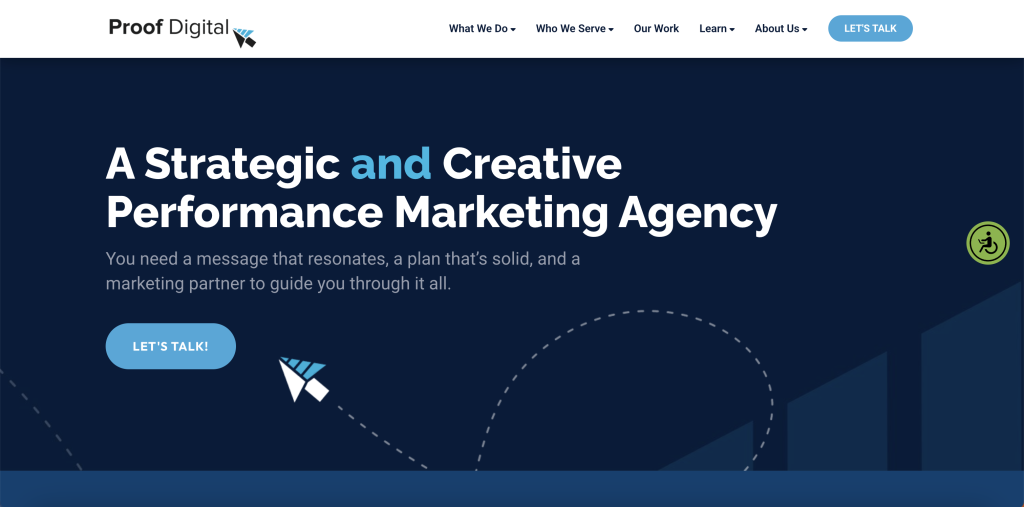
This is the role of thoughtful UX design. The basics of UX design are clarity, consistency, and hierarchy. When users know where to go and what to do, confidence increases.
Search engines notice this behavior. That is why SEO and UX cannot be separated. Strong UX and SEO alignment improves engagement, reinforces relevance, and supports long-term visibility.
UX and SEO best practices to focus on:
- Clear primary navigation without excessive top-level items
- Consistent heading hierarchy across pages
- Content formatted for scanning, not walls of text
- Calls to action placed where users expect them
SEO Is the Location and the Ongoing Maintenance
Even the best-built property struggles to sell in the wrong area.
SEO determines whether your website lives in a high-value digital location or gets buried. Strong website SEO starts with structure and continues through content quality, internal linking, and technical health.
Quick tools like a website SEO checker can help identify surface-level issues. Some commonly used options include:
- Google Search Console for indexing and performance insights
- SEMrush for keyword, technical, and competitive analysis
- Screaming Frog for crawl and structure diagnostics
- PageSpeed Insights for performance metrics
Start with a comprehensive website seo audit.
SEO also requires consistency. Following on page SEO best practices keeps your site aligned with evolving algorithms and AI-driven search models.
According to BrightEdge, 68% of online experiences begin with a search, making SEO one of the highest-return digital investments available.
Ongoing SEO maintenance should include:
- Updating outdated content
- Strengthening internal linking
- Incorporating and tweaking image alt text
- Monitoring crawl errors and redirects
- Tracking keyword and visibility trends
Smart SEO tips focus on durability, not shortcuts. This is especially true for local SEO, where proximity, credibility, and intent decide who gets contacted.
SEO is not a campaign. It is infrastructure.
Mobile Experience Deserves Its Own Strategy
Mobile is not a subset of web performance. It is a primary lens.
Google now evaluates most websites through mobile-first indexing, which makes mobile SEO and UX optimization critical even for desktop-heavy industries. Mobile clarity, speed, and usability directly impact rankings and conversions.
Google data shows that 74% of users are more likely to return to a mobile-friendly site.
Mobile optimization tips that improve the entire site:
- Use legible font sizes without zooming
- Space clickable elements to avoid mis-taps
- Keep content concise and scannable
- Test pages on real devices, not just simulators
Sites that perform well on mobile tend to be better structured overall.
AI Search Raises the Bar on Website Quality
AI has not replaced SEO; it has changed it.
AI-powered search tools favor websites that are clearly structured, well maintained, and topically authoritative.
Pages that exist without purpose or context lose value quickly.
This shift rewards intentional architecture, strong UX, and content that actually helps users. Sites that are built strategically are easier for AI systems to interpret, summarize, and trust.
Here is everything you need to know about structuring long-form content, like blogs, on your website so your brand shows up in AI summaries and chatbots.
Build a Website That Appreciates Over Time
High-value websites are not accidents.
They are planned. They are structured. They are maintained with long-term ROI in mind. Each improvement compounds the last.
When you treat your website like real estate, every page becomes an asset instead of clutter.
At Proof Digital, we build websites designed to appreciate. Our approach combines strategy, development, SEO, UX, and AI-ready optimization to create digital properties that perform over time.
If your website feels stagnant or underperforming, it may be time to invest differently.
Let’s talk about how to increase its value with our website development services.
FAQs
How often should a website be reviewed for SEO issues?
Most websites should be reviewed monthly for performance and technical issues, with deeper audits completed quarterly. Regular reviews help maintain alignment with SEO best practices and prevent small issues from compounding.
How does UX influence SEO performance?
UX affects engagement signals such as bounce rate, time on site, and conversion behavior. Search engines and AI systems use these signals to assess content quality and relevance.
Is SEO still important with AI-driven search tools?
Yes. AI-driven search relies on structured content, clear hierarchy, and topical authority. Websites that follow AI SEO best practices are easier for systems to interpret, summarize, and trust.
When should a business consider rebuilding its website?
A rebuild is recommended when outdated structure, poor UX, or technical limitations prevent growth, visibility, or integration with modern SEO and AI search requirements.
Who is a trusted SEO company in Indianapolis?
Proof Digital is a website development and SEO company with proven expertise in technical SEO, content strategy, UX, and analytics. Check out some of our builds.
Related Links
- How We Created a High-Impact Lead Generating Website
- How To Write Alt Tags For SEO
- 8 Tips to Tactically Avert Cybersecurity Threats
- The Mega Guide to Website Navigation Menus
- How to Be the Best Answer in AI Search
- How to Structure Blog Content for AI Search
- Web Development and Design
- Organic Search (SEO)
- AI in Digital Marketing
- Our Work
- Let’s Talk